

Why Non-Virtual Staging Still Matters in the Digital Age
Perception isn’t always reality… especially in real estate.
There’s a phrase I’ve come to appreciate over the years: No growth without failure. Sometimes the best lessons come from experiences that don’t quite match expectations. Recently, my family traveled out west and spent time near Mount Rainier in Washington. Like most people planning a vacation, I carefully selected our Airbnb. I read the reviews, studied the photos, and researched the location to make sure it was the right fit for our family. The listing advertised a hot tub, sauna, and pool table. My kids were ecstatic. But when we arrived, the “pool table” turned out to be about 18 inches wide with tiny (and mostly missing) balls and six-inch sticks. Not quite the full experience the photos suggested. We laughed about it, but it reminded me of something I see often in real estate.
When Online Expectations Don’t Match Reality
Today’s buyers almost always encounter a home online first. Photography, videos, and digital marketing are powerful tools that generate interest and drive showings. But there’s a critical moment when everything shifts: when the buyer walks through the door. If the experience inside the home doesn’t match what buyers expected from the photos, disappointment sets in immediately.
And when that happens, sellers often experience:
Many showings but few offers
Confusing or negative feedback from buyers
Longer time on the market
Pressure to reduce the price
This is where true staging, not virtual staging, makes a difference.
The Problem with Virtual Staging
Virtual staging can make a listing photo look beautiful online, but it doesn’t create the emotional experience buyers need when they visit the home. When buyers walk into an empty or poorly arranged space after seeing perfectly staged photos, the disconnect is immediate. Instead of feeling inspired, buyers begin questioning the home. In today’s market, buyers are looking for something deeper than square footage, they’re looking for a feeling.

Why Real Staging Works
Early in my real estate career, staging became an integral part of my brand. As I walked through homes with clients, I began making simple recommendations to help present their homes in the best possible light:
Decluttering spaces
Rearranging furniture
Adding rugs, pillows, and artwork
Creating inviting focal points
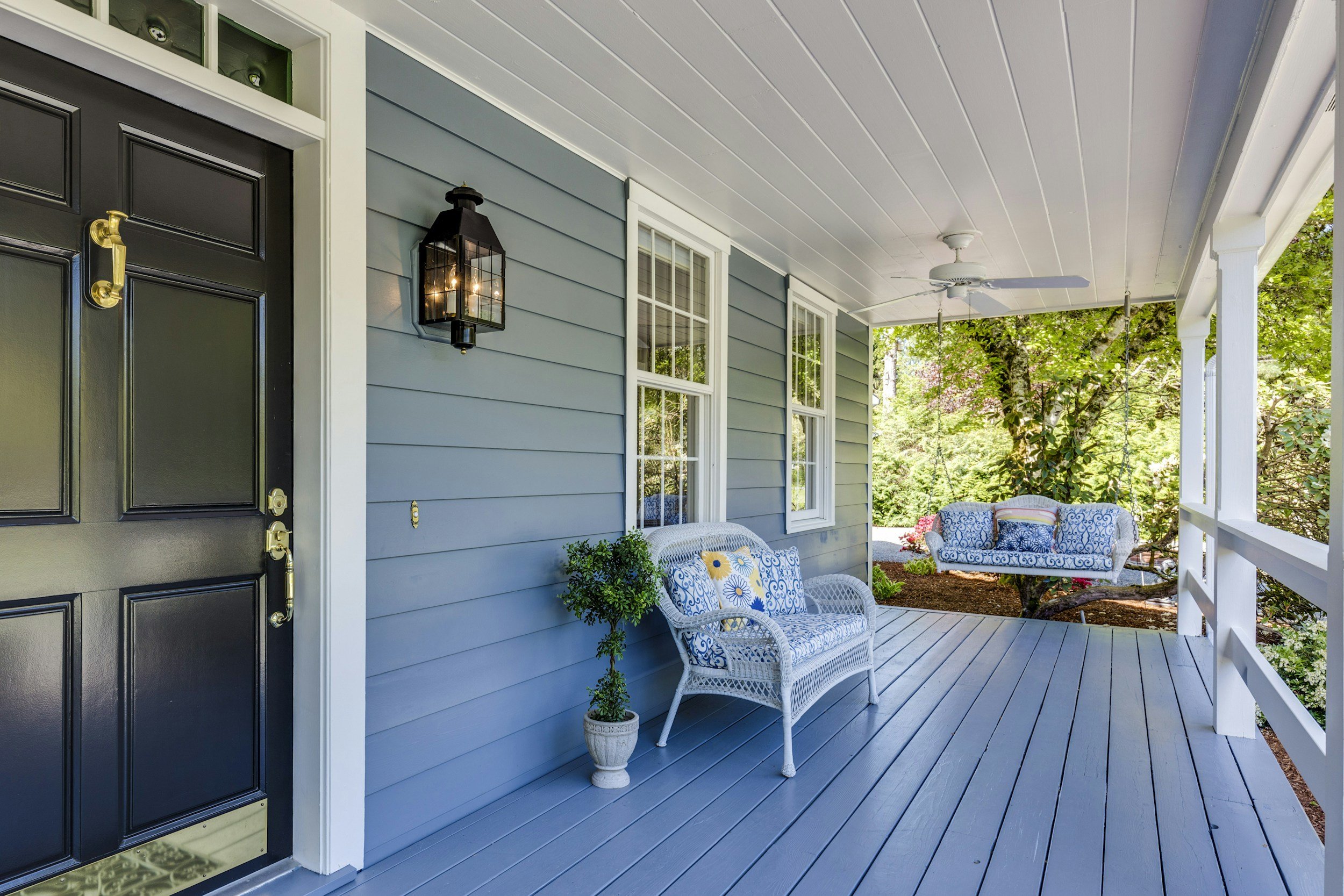
What started as small adjustments evolved into full home staging, and I quickly saw how transformative it could be. Staging helps buyers do something incredibly important: see themselves living in the home.
It helps them understand:
How the space functions
How rooms can be used
The lifestyle the home offers
And when buyers can visualize their life in a space, emotional connection follows.
The Power of Before and After
One of the most rewarding parts of staging is seeing the dramatic before-and-after transformations. Empty rooms become welcoming spaces. Awkward layouts suddenly make sense. And homes that once felt ordinary begin to feel like something special.The reactions from my clients, and the positive feedback from other agents and buyers, are incredibly rewarding. It fuels my passion for helping every home show at its absolute best.
Creating the Experience Buyers Are Looking For
In today’s digital world, great photography is essential. But photos should reflect the experience buyers will have when they arrive, not exaggerate it.That’s why I believe strongly in real staging over virtual staging. Because when buyers walk into a beautifully staged home and the experience matches, or exceeds, the photos, something powerful happens.
They don’t just like the house. They fall in love with it.